

Artemis II Has Returned — And Delivered
Artemis II is now complete — and it delivers exactly what NASA set out to prove.
After traveling farther than any human mission in history, the Orion capsule safely splashes down in the Pacific Ocean, marking the first crewed return from deep space in over 50 years.
NASA confirms the mission hits all major objectives, validating systems, crew performance, and deep space readiness.
The world watches the splashdown.
But the mission doesn’t end there.
The Moment Most People Never See
Within minutes, U.S. Navy recovery forces move in.
This is not ceremonial — this is execution.
The capsule is secured. The crew is stabilized. Medical evaluations begin immediately.
This is where the mission is finished.
👉 Navy Times coverage of recovery personnel:
https://www.navytimes.com/news/your-military/2026/04/10/meet-the-navy-sailors-who-will-be-the-first-to-greet-returning-artemis-ii-astronauts/?utm_source=facebook&utm_medium=social&utm_campaign=fb_nt
Senior Chief Aldridge — First In
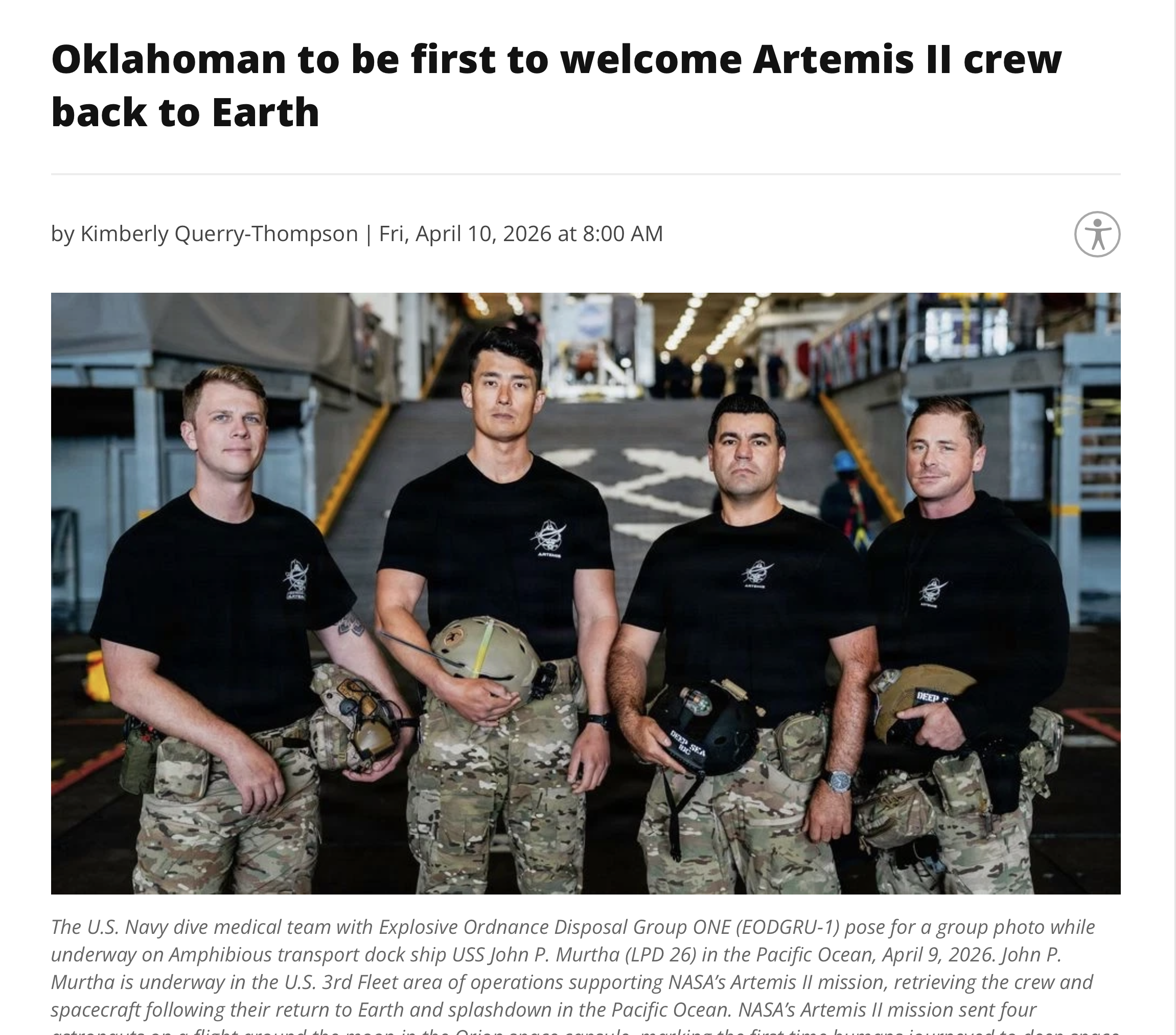
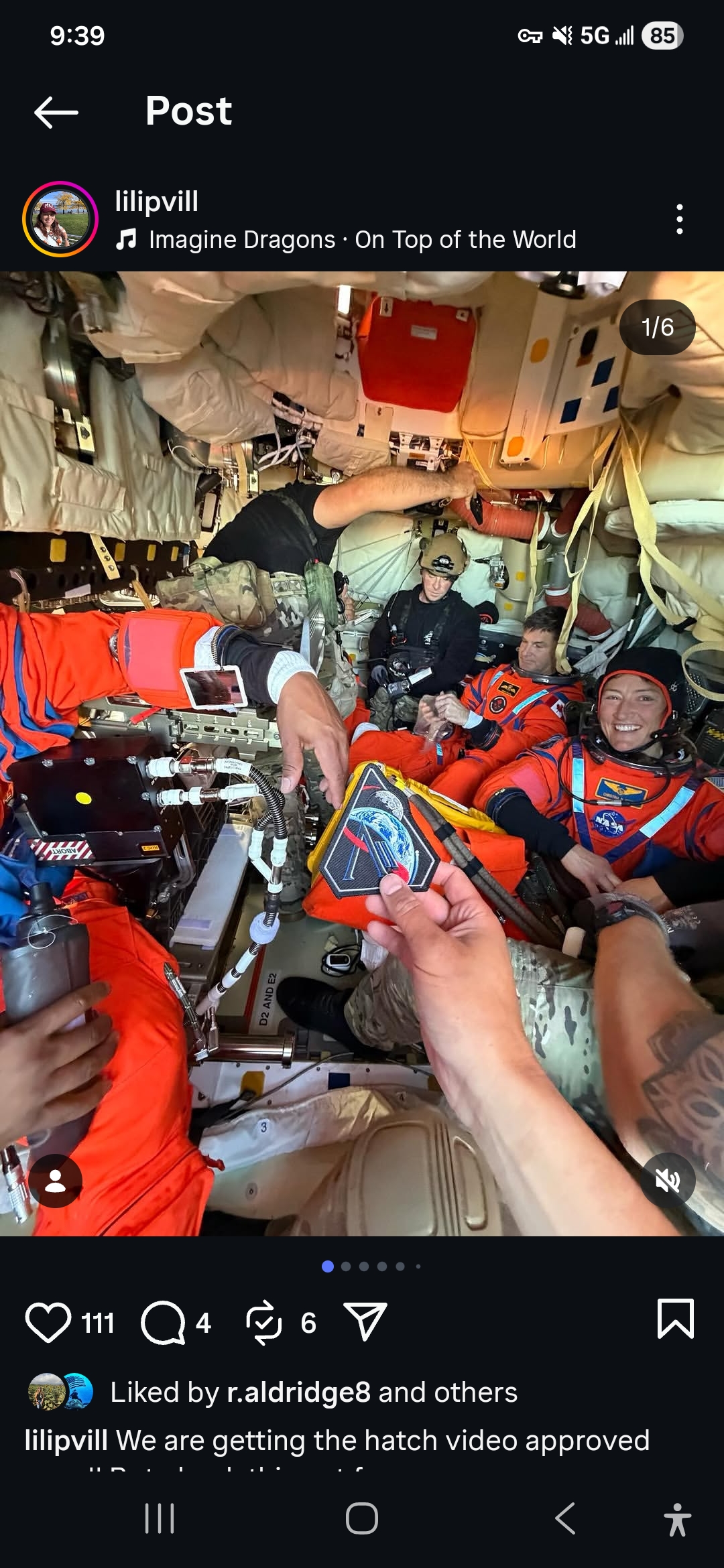
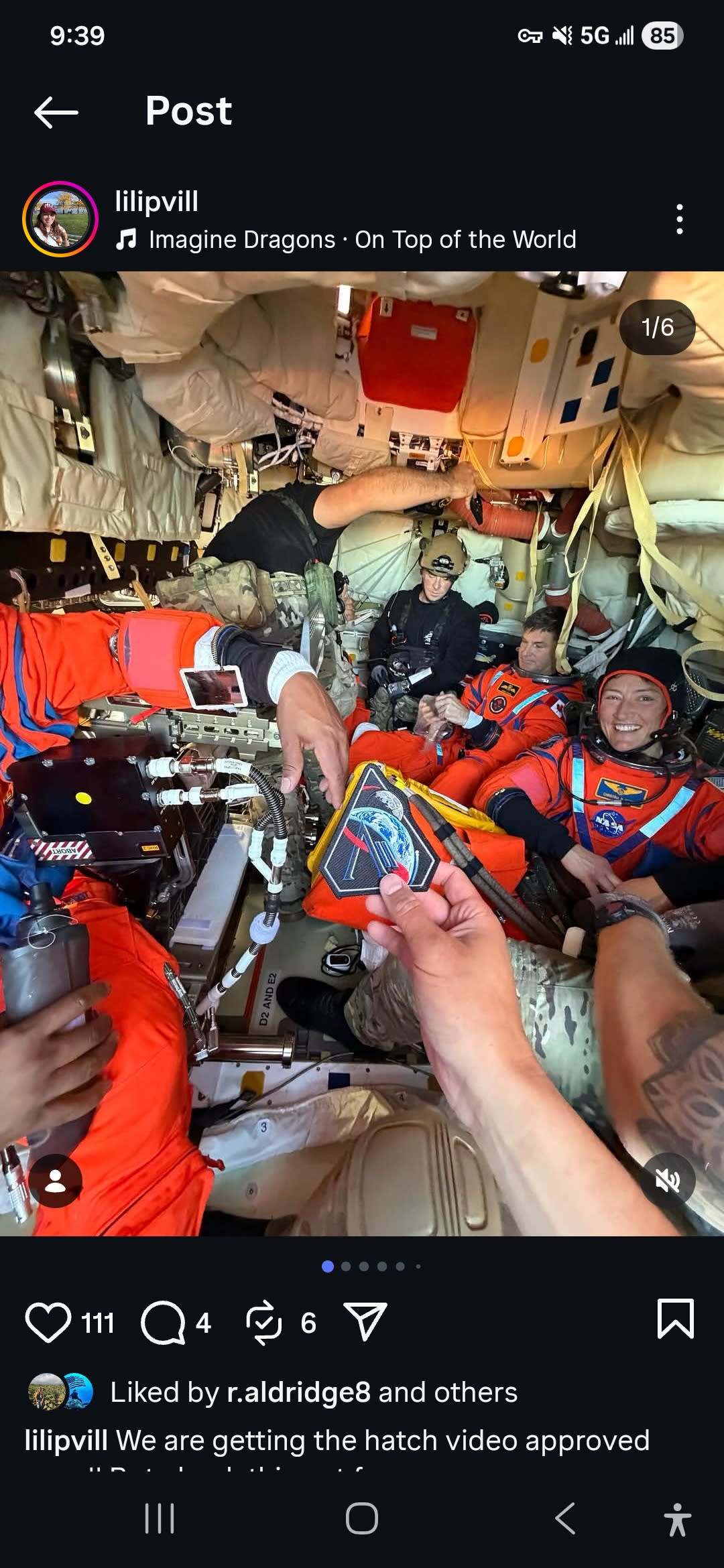
Senior Chief James “Laddy” Aldridge is not watching history happen.
He is part of it.
As part of the recovery team, he is among the first to reach the capsule — and the first to open and enter it once secured, immediately tending to the astronauts inside.
That moment matters more than most people realize.
He is the first human contact those astronauts have after returning from deep space.
Before media.
Before celebration.
Before anything else.
It’s a Navy Senior Chief stepping into that capsule and making sure they are safe.
That is trust at the highest level.
Precision, Trust, and Zero Margin for Error
Recovery operations require:
- Immediate assessment inside the capsule
- Direct care and communication with astronauts
- Coordination with NASA engineers and medical teams
- Flawless execution under pressure
This is exactly what Navy recovery teams train for alongside NASA.
👉 Official recovery training and coordination imagery:
https://www.dvidshub.net/image/9603380/us-navy-medical-personnel-and-nasa-engineers-prepare-artemis-ii-crew-recovery
The Unit Behind the Mission
This mission is supported by highly trained Navy forces, including Expeditionary Strike Group Three.
👉 ESG-3 official unit overview:
https://www.dvidshub.net/unit/ESG-3
These teams are responsible for executing one of the most critical phases of any space mission — recovery.
From Oklahoma to the Edge of Space History
Laddy’s story starts far from the ocean.
From Cushing, Oklahoma — to becoming a Senior Chief trusted with one of the most critical roles in a historic mission.
His selection to enter Artemis II FIRST isn’t random.
It’s earned.
👉 Local feature highlighting his role:
https://okcfox.com/news/local/oklahoman-to-welcome-artemis-ii-crew-back-to-earth
Why This Role Matters
Recovery is the final phase of the mission.
Without it, nothing before it counts.
Launch gets the attention.
The mission gets the headlines.
But recovery confirms success.
And in Artemis II, that success includes Senior Chief Aldridge being one of the first inside that capsule.
Final Thought
When the world talks about Artemis II, they will talk about the astronauts.
But the mission is only complete when those astronauts are safely home.
That responsibility falls to professionals like Senior Chief James “Laddy” Aldridge.
From a small-town start…
To opening the hatch on one of the most important missions of our time.
That’s not just a career.
That’s history.